Trash management is one of the most overlooked aspects of facility operations. Yet when it’s done poorly, everyone notices. Overflowing bins, lingering odors, pest issues, and cluttered loading docks can quickly undermine the professionalism of any workplace.
For property managers, facility directors, and business owners, implementing strong trash management systems is not just about cleanliness—it’s about safety, efficiency, compliance, and brand reputation. When supported by professional Commercial Cleaning Services and Janitorial Services, trash management becomes a streamlined process rather than a daily headache.
At Assett Commercial Services, we help facilities implement structured waste handling systems that protect both people and property. In this guide, we’ll break down best practices for trash management in commercial environments and explain how the right processes make a measurable difference.
Why Trash Management Matters More Than You Think
Effective trash management impacts more than appearances. It directly affects:
-
Employee morale
-
Customer perception
-
Workplace safety
-
Pest control
-
Regulatory compliance
-
Operational efficiency
Improper waste handling can lead to slip-and-fall hazards, fire risks, contamination issues, and even health violations in certain industries. A proactive trash management plan reduces these risks while improving the overall facility environment.
Professional Commercial Cleaning Services ensure that trash systems are not reactive but preventative—keeping issues from escalating in the first place.
1. Conduct a Waste Stream Assessment
Before improving trash management, you must understand what types of waste your facility generates. A waste stream assessment identifies:
-
General office waste
-
Food waste
-
Recyclables
-
Cardboard
-
Hazardous materials
-
Specialty waste (medical, industrial, etc.)
Different facilities produce different waste profiles. A corporate office has different needs than a manufacturing plant or healthcare facility.
At Assett Commercial Services, our Janitorial Services teams evaluate waste generation patterns to design custom trash collection schedules and disposal workflows. This prevents overfilled bins and unnecessary labor inefficiencies.
2. Establish Clear Collection Schedules
One of the most common trash management failures is inconsistent removal schedules. When trash collection is irregular, problems quickly develop:
-
Overflowing receptacles
-
Odor buildup
-
Pest attraction
-
Negative first impressions
Best practice is to set clear, documented removal frequencies based on usage levels. High-traffic areas such as:
-
Break rooms
-
Restrooms
-
Entrances
-
Conference spaces
often require daily or multiple daily servicing.
Professional Commercial Cleaning Services track these schedules and adjust them seasonally or during high-occupancy periods to maintain consistent cleanliness.
3. Use Proper Trash Receptacles
The right receptacle makes a significant difference in maintaining order.
Key considerations include:
-
Size and capacity
-
Lids (open-top vs. closed)
-
Fire-resistant materials
-
ADA compliance
-
Recycling separation
Inappropriate bin sizing leads to overflow or underutilization. Lidded bins are ideal for food areas to reduce odor and pests. Clearly labeled recycling bins improve diversion rates and reduce contamination.
Janitorial Services teams should inspect bins regularly for cracks, damage, or sanitation issues to ensure long-term effectiveness.
4. Implement Recycling Programs
Sustainability is no longer optional for many organizations. Clients, tenants, and employees expect responsible environmental practices.
Effective recycling programs require:
-
Clear signage
-
Proper bin placement
-
Employee education
-
Ongoing monitoring
Contamination is a common issue. When recyclables are mixed with food waste or general trash, entire batches can be rejected.
Assett Commercial Services works with facilities to integrate recycling processes into their overall Commercial Cleaning Services plan, ensuring consistency and compliance without burdening internal staff.
5. Maintain Sanitary Trash Handling Procedures
Handling trash improperly can expose workers to bacteria, sharp objects, and contaminants.
Best practices include:
-
Wearing protective gloves
-
Using proper lifting techniques
-
Sealing liners before removal
-
Avoiding direct contact with waste
-
Disinfecting trash receptacles regularly
Professional Janitorial Services teams are trained in proper safety procedures to reduce workplace injuries and maintain sanitation standards.
Sanitizing trash bins is often overlooked. Even when liners are replaced daily, the containers themselves can harbor bacteria and odors. Scheduled disinfecting prevents buildup.
6. Control Odors Proactively
Odor management is a key part of trash management.
Sources of odor often include:
-
Food waste
-
Liquid leaks
-
Organic decomposition
-
Dirty receptacles
Best practices include:
-
Frequent removal of food waste
-
Double-lining high-risk bins
-
Using absorbent materials when necessary
-
Disinfecting interior bin surfaces
-
Maintaining clean dumpster areas
Assett Commercial Services incorporates odor control protocols into its Commercial Cleaning Services to prevent complaints before they arise.
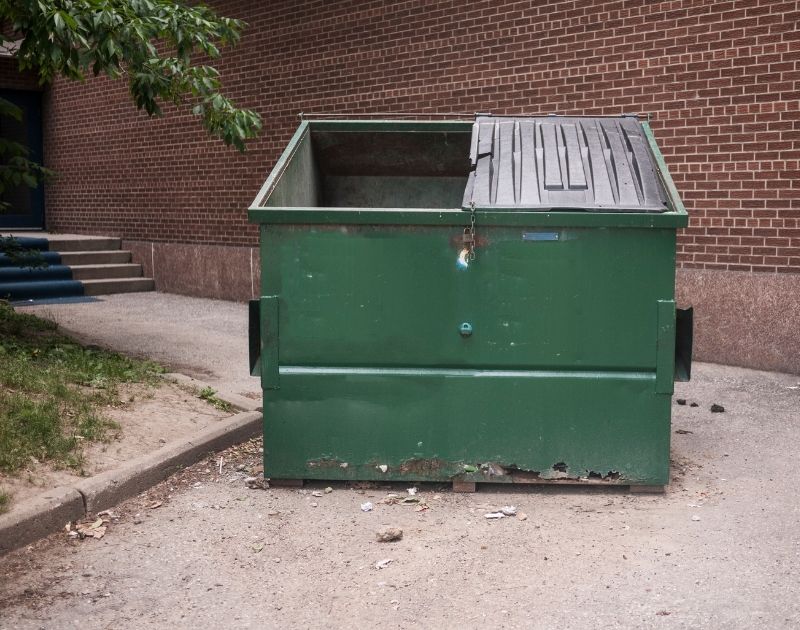
7. Secure Dumpster and Loading Dock Areas
Exterior waste areas are just as important as interior bins.
Poorly managed dumpster areas can cause:
-
Pest infestations
-
Fire hazards
-
Illegal dumping
-
Environmental violations
-
Negative visual impressions
Best practices include:
-
Keeping dumpster lids closed
-
Scheduling regular compactor servicing
-
Power washing dumpster pads
-
Ensuring proper drainage
-
Monitoring for unauthorized dumping
Professional Janitorial Services often include exterior waste inspections as part of routine facility checks.
8. Train Staff and Promote Accountability
Even the best systems fail without accountability.
Facility occupants should understand:
-
Where to dispose of different materials
-
What belongs in recycling
-
Who to notify about overflow
-
Basic cleanliness expectations
When employees are educated, compliance improves dramatically.
Assett Commercial Services often collaborates with facility leadership to ensure trash management standards align with operational goals. Our Commercial Cleaning Services become an extension of your internal team.
9. Prevent Pest Infestations
Trash is one of the primary attractants for rodents and insects.
To prevent infestations:
-
Remove food waste daily
-
Seal liners tightly
-
Keep dumpster lids closed
-
Avoid leaving trash bags on floors
-
Clean spills immediately
Once pests appear, remediation costs increase significantly. Proactive trash management reduces risk and supports broader facility health strategies.
10. Comply with Safety and Regulatory Standards
Certain industries—healthcare, food service, industrial—face strict waste handling regulations.
Non-compliance can result in:
-
Fines
-
Shutdowns
-
Liability claims
-
Reputational damage
Professional Commercial Cleaning Services ensure proper documentation and adherence to disposal requirements, particularly for regulated waste streams.
Assett Commercial Services stays informed about industry-specific waste protocols to help clients remain compliant.
11. Monitor and Optimize Continuously
Trash management is not a one-time setup. Facility needs change based on:
-
Occupancy levels
-
Business growth
-
Seasonal variations
-
Renovations
-
Operational shifts
Regular audits allow for optimization of:
-
Collection frequency
-
Bin placement
-
Staffing requirements
-
Waste diversion rates
Assett Commercial Services conducts ongoing evaluations to ensure our Janitorial Services continue meeting evolving needs.
12. Incorporate Waste Reduction Strategies
Beyond collection, smart facilities focus on waste reduction.
Strategies include:
-
Digitizing documents
-
Reducing single-use products
-
Partnering with recycling vendors
-
Composting food waste (when applicable)
-
Encouraging reusable containers
Reducing waste at the source lowers disposal costs and enhances sustainability initiatives.
Professional Commercial Cleaning Services can support these programs by ensuring infrastructure is in place for successful implementation.
13. Integrate Trash Management into Overall Facility Strategy
Trash management should not operate in isolation. It must align with:
-
Cleaning schedules
-
Maintenance plans
-
Safety protocols
-
Sustainability goals
-
Budget planning
When integrated properly, it supports the broader mission of maintaining a professional, safe, and efficient environment.
At Assett Commercial Services, trash management is never treated as an afterthought. It is a foundational component of our comprehensive Janitorial Services programs.
Common Trash Management Mistakes to Avoid
Even well-run facilities sometimes make avoidable errors:
-
Using undersized bins in high-traffic areas
-
Neglecting to sanitize receptacles
-
Failing to train occupants
-
Overlooking dumpster maintenance
-
Ignoring odor complaints
-
Treating trash removal as a low priority
These small oversights compound into larger operational issues.
Professional Commercial Cleaning Services bring structure, accountability, and consistency to prevent these problems from developing.
The Business Case for Professional Trash Management
Some organizations attempt to handle trash internally to reduce costs. However, hidden expenses often outweigh perceived savings.
Internal management can lead to:
-
Increased labor strain
-
Inconsistent service
-
Higher injury risk
-
Compliance gaps
-
Lower morale
Outsourcing to experienced Janitorial Services providers ensures:
-
Reliable scheduling
-
Proper training
-
Professional equipment
-
Reduced liability
-
Consistent standards
Assett Commercial Services delivers structured trash management systems that support your business goals rather than distract from them.
How Assett Commercial Services Elevates Trash Management
At Assett Commercial Services, trash management is built into every Commercial Cleaning Services program we provide.
Our approach includes:
-
Waste stream assessments
-
Customized collection schedules
-
Sanitation and odor control protocols
-
Exterior dumpster oversight
-
Recycling program integration
-
Ongoing quality checks
We understand that clean facilities reflect strong leadership and operational discipline. Trash management is not simply about removing waste—it’s about protecting your brand and your people.
Our Janitorial Services teams operate with professionalism, attention to detail, and consistent communication to ensure your facility remains clean, safe, and organized.
Final Thoughts
Effective trash management is foundational to maintaining a professional commercial environment. When properly executed, it:
-
Improves workplace safety
-
Reduces health risks
-
Enhances customer perception
-
Supports sustainability initiatives
-
Prevents costly disruptions
Whether you manage a corporate office, retail space, healthcare facility, or industrial site, structured trash management systems make a measurable difference.
Ready to Improve Your Facility’s Trash Management?
If your organization is experiencing inconsistent trash removal, odor issues, or inefficient waste systems, it may be time to partner with professionals.
Assett Commercial Services provides reliable, structured Commercial Cleaning Services and Janitorial Services designed to keep your facility operating at the highest standard.
Contact Assett Commercial Services today to learn how we can implement a customized trash management strategy that protects your property, supports your team, and enhances your professional image.