
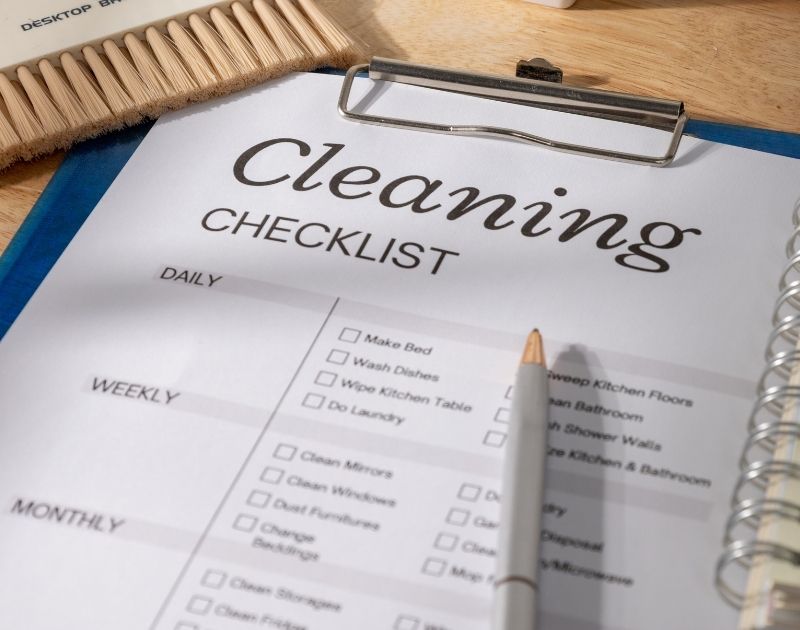
Keeping a facility clean isn’t just about appearance—it’s about protecting your workforce, customers, and brand reputation. Yet many businesses struggle to decide how often various cleaning tasks should be performed. Some routines need daily attention to maintain safe conditions, while others can be scheduled weekly without compromising cleanliness or compliance. Understanding the difference helps facilities avoid overspending, under-maintaining, or misallocating staff time.
With the right mix of daily and weekly cleaning tasks—and the right partner—businesses can ensure consistent results while optimizing budgets. That’s where Assett Commercial Services comes in. As a leader in Commercial Cleaning Services and Janitorial Services, we specialize in creating customized cleaning programs that match the unique rhythm, traffic patterns, and operational needs of each facility.
This guide breaks down what truly needs attention daily, what to schedule weekly, and how to set standards that keep your workplace clean, healthy, and cost-efficient.
Why the Frequency of Cleaning Tasks Matters
The difference between daily and weekly cleaning isn’t trivial. Frequency affects:
1. Health & Safety
Dust buildup, overflowing trash, sticky floors, unclean restrooms, and contaminated touchpoints can quickly become safety hazards. High-touch areas can spread illness in just a few hours. Daily cleaning tasks neutralize those risks before they grow.
2. Regulatory Compliance
Certain industries—including healthcare, food services, and education—must follow strict cleanliness protocols. Assigning the right frequency keeps facilities compliant and audit-ready.
3. Productivity & Employee Satisfaction
Clean facilities reduce absenteeism, improve morale, and enhance focus. Workers are more productive in spaces that feel organized, sanitary, and cared for.
4. Longevity of Assets
Flooring, fixtures, upholstery, and equipment last longer when maintained on a proper schedule. Inconsistent or infrequent cleaning directly increases long-term replacement costs.
5. Customer Perception
Clients and visitors judge a business by its environment. Cleanliness isn’t optional—it’s a brand expectation. Daily and weekly tasks together create a consistently polished facility.
Daily Cleaning Tasks: The Non-Negotiables
Daily cleaning tasks keep the building functional and safe while preventing small problems from becoming major issues. For most facilities, skipping these tasks—even occasionally—results in noticeable decline, hygiene risks, and complaints.
Below are the essential daily cleaning tasks that Assett Commercial Services includes in most comprehensive Commercial Cleaning Services packages.
1. Restroom Cleaning & Sanitizing
Restrooms represent the biggest hygiene risk in any facility. Daily cleaning should always include:
-
Disinfection of toilets, urinals, sinks, and stall handles
-
Wiping and sanitizing all touchpoints
-
Restocking paper goods and soap
-
Sweeping and mopping floors
-
Emptying trash and sanitary bins
-
Polishing mirrors
-
Checking for plumbing issues
Even low-traffic facilities need daily restroom service to maintain odor control, appearance, and sanitation.
2. Trash Removal Throughout the Facility
Trash buildup quickly becomes a hygiene issue and makes any workspace feel neglected. Daily removal includes:
-
Office wastebaskets
-
Breakrooms and kitchen areas
-
Production floor waste points
-
Entryway and lobby bins
Overflowing trash also creates pest risks, particularly in manufacturing, retail, and healthcare settings.
3. High-Touch Surface Disinfection
High-touch hotspots spread germs rapidly and require daily attention, including:
-
Light switches
-
Door handles and push plates
-
Elevator buttons
-
Shared equipment controls
-
Breakroom appliances
-
Conference room tables
Daily disinfection supports health standards and minimizes absenteeism.
4. Breakroom & Kitchenette Cleaning
Food preparation areas must be cleaned daily to avoid bacteria growth and pest attraction. Tasks include:
-
Sanitizing countertops
-
Cleaning microwaves, refrigerators handles, coffee stations
-
Wiping sinks and faucets
-
Sweeping and mopping floors
-
Emptying trash and recycling
A clean breakroom communicates respect for employees and visitors.
5. Lobby & Common Area Maintenance
First impressions happen here. Daily tasks should include:
-
Dusting flat surfaces and décor
-
Cleaning glass entry doors
-
Vacuuming rugs
-
Tidying furniture
-
Spot-mopping hard surfaces
A polished entrance sets a professional tone for anyone who walks in.
6. Floor Care (Spot Cleaning & Vacuuming)
Floors accumulate dirt, sand, debris, and allergens every single day. Daily vacuuming and spot-cleaning prevent:
-
Wear and tear on carpets
-
Slip hazards
-
Staining
-
Dust buildup
Daily floor care is especially essential for high-traffic areas like hallways, entryways, and production zones.
7. Spill Response & Hazard Prevention
Unexpected spills or messes happen continuously in active facilities. A daily cleaning schedule ensures rapid response to:
-
Food or beverage spills
-
Product leaks
-
Wet floor hazards
-
Material tracking from outdoors
Having a professional team on routine ensures these issues are handled before they cause accidents or damage.
Weekly Cleaning Tasks: The Deep-Maintenance Essentials
Weekly tasks provide a deeper level of cleaning and help maintain the long-term condition of your facility. While they don’t need daily attention, skipping them leads to gradual decline that impacts appearance and functionality.
Here’s what Assett Commercial Services typically includes in weekly Janitorial Services programs for most facilities.
1. Dusting High & Low Surfaces
Weekly dusting reaches areas that don’t accumulate visible debris daily, such as:
-
Shelving
-
Ceiling vents
-
Tops of partitions
-
Ledges
-
Hard-to-reach fixtures
Without weekly dusting, allergens accumulate and HVAC strain increases.
2. Detailed Floor Maintenance
Beyond daily vacuuming and spot mopping, weekly routines include:
-
Full vacuuming of all carpets
-
Detailed mopping of floors
-
Cleaning behind furniture where dust collects
-
Using disinfectant-grade solutions on high-traffic zones
This deeper approach removes what daily tasks can’t reach.
3. Restroom Deep Sanitization
Even with daily cleaning, restrooms require weekly deep care. This may include:
-
Scrubbing grout lines
-
Removing hard water stains
-
Polishing metal fixtures
-
Cleaning partitions
-
Wiping walls for splash marks
These efforts keep restrooms looking new rather than simply “maintained.”
4. Breakroom Appliance Deep Cleaning
Week-to-week buildup occurs inside appliances and around high-touch areas. Weekly tasks include:
-
Cleaning interior of microwaves
-
Wiping fridge shelves (non-perishable zones)
-
Sanitizing coffee stations and water dispensers
-
Cleaning cupboard and cabinet surfaces
A weekly deep clean prevents odors, spills, and mold.
5. Glass & Mirror Cleaning Beyond Entryways
While entrance glass may need daily cleaning, interior glass typically needs weekly attention:
-
Office windows
-
Interior glass partitions
-
Conference room glass
-
Display cases
Clean glass contributes to a bright, professional, and welcoming workspace.
6. Baseboard & Trim Cleaning
These areas are often overlooked, but dirt naturally collects along edges. Weekly baseboard cleaning:
-
Improves overall appearance
-
Extends paint and finish lifespan
-
Reduces dust recirculation
This task makes a significant visual impact with only weekly attention.
7. Disinfecting Office Equipment
Shared equipment harbors bacteria yet doesn’t need daily disinfection:
-
Keyboards
-
Copy machines
-
Printers
-
Touchscreens
A weekly routine prevents heavy contamination and keeps equipment functioning well.
8. Decluttering & Organization Assistance
As part of weekly service, janitorial teams can:
-
Straighten common areas
-
Monitor supplies
-
Identify areas needing maintenance updates
This keeps operations smooth and professional.
How to Decide Which Tasks Your Facility Really Needs
While the daily/weekly breakdown above fits most organizations, every facility is different. The best cleaning schedule depends on several factors.
1. Traffic Volume
Facilities with high foot traffic require more frequent attention. For example:
-
Schools
-
Manufacturing plants
-
Medical offices
-
Fitness centers
-
Retail stores
-
Multi-tenant offices
Daily cleaning for high-touch points, trash removal, and floors is non-negotiable. Weekly tasks may shift to multiple times per week depending on use.
2. Industry Standards & Regulations
Certain industries have strict hygiene rules:
-
Healthcare must follow CDC and OSHA guidelines.
-
Food service locations must maintain sanitation to pass inspections.
-
Industrial settings must prevent hazards and debris accumulation.
-
Educational facilities must maintain safe, allergen-controlled environments.
Failing to follow appropriate frequencies can result in violations or liability exposure.
3. Facility Layout
Different spaces require different schedules:
-
Large, open areas often need more frequent dusting and floor care
-
Smaller office spaces may focus more on desks and restrooms
-
Buildings with multiple entrances need daily glass care
-
Breakrooms in high-use environments require daily sanitization
A customized plan ensures no area gets overlooked.
4. Business Hours & Employee Density
The number of people inside the facility influences:
-
Trash volume
-
Bathroom usage
-
Dirt tracked in
-
Surface contamination
More people means more daily cleaning.
5. Budget & Expectations
Professional cleaners help businesses align cleaning frequency with budget while maintaining a clean, attractive space. However, cutting frequency creates risks:
-
Dirty facilities lower customer satisfaction
-
Employees lose morale
-
Health risks grow
-
Maintenance costs rise
A balanced plan ensures quality without overspending.
Why Daily Tasks Cannot Replace Weekly Tasks (and Vice Versa)
Some businesses try to stretch budgets by reducing frequency—daily tasks become every other day, weekly tasks become monthly, etc. But this causes compounding issues.
Daily tasks are about maintenance.
Skipping them results in visible dirt, odors, contamination, pest risks, and customer complaints.
Weekly tasks are about preservation.
Skipping them accelerates wear, reduces air quality, and creates deeper issues that cost more later.
A sustainable cleaning program requires both. Neither replaces the other—they work together to protect your facility.
How Assett Commercial Services Builds the Right Cleaning Schedule
A one-size-fits-all approach simply doesn’t work. That’s why Assett Commercial Services, a trusted provider of Janitorial Services and Commercial Cleaning Services, creates customized cleaning plans based on your specific needs.
Our assessment includes:
-
A full facility walkthrough
-
Traffic and usage evaluation
-
Industry standards and regulatory review
-
Health and safety objectives
-
Employee and visitor volume
-
Specialized surface and equipment requirements
-
Budget and long-term facility maintenance goals
Every cleaning plan blends daily and weekly tasks in a way that maximizes cleanliness while keeping costs efficient.
Examples of Customized Daily/Weekly Cleaning Plans by Facility Type
Below are sample breakdowns to help illustrate how frequency varies by environment.
Office Buildings
Daily:
-
Trash removal
-
Restroom cleaning
-
Vacuuming high-traffic areas
-
High-touch disinfection
-
Breakroom sanitizing
Weekly:
-
Full vacuum and mop
-
Dusting shelves and vents
-
Interior glass cleaning
-
Deep cleaning appliances
Medical Facilities
Daily:
-
Full disinfection of patient areas
-
Trash and sharps removal
-
Restock of hygiene supplies
-
Floor sanitizing
-
High-touch disinfection throughout
Weekly:
-
Deep sanitization of exam rooms
-
Vent and fixture dusting
-
Equipment exterior cleaning
-
Detailed restroom deep cleaning
Educational Buildings
Daily:
-
Classroom trash removal
-
Desk wiping and disinfecting
-
Restroom service
-
Hallway floor care
-
Cafeteria cleaning
Weekly:
-
High and low dusting
-
Furniture sanitizing
-
Locker area deep cleaning
-
Window and glass care
Industrial & Manufacturing Facilities
Daily:
-
Waste removal and hazard cleanup
-
Restroom and locker room cleaning
-
Breakroom sanitizing
-
Production area sweeping
Weekly:
-
Machine exterior dusting
-
Floor scrubber service
-
Deep cleaning of breakrooms
-
Warehouse glass and fixture cleaning
Choosing the Right Cleaning Partner
Facilities that rely on inconsistent or inexperienced cleaning providers often struggle with:
-
Missed tasks
-
Declining facility conditions
-
Poor communication
-
Rising complaints
-
Health and safety concerns
Assett Commercial Services eliminates these issues with:
-
Reliable, trained cleaning professionals
-
Customized cleaning plans
-
Quality control systems
-
Transparent communication
-
Scalable services as your business grows
Whether your facility needs daily upkeep, weekly deep maintenance, or both, our team ensures exceptional consistency and results.
Final Thoughts
Every facility depends on a strategic balance of daily and weekly cleaning tasks to stay clean, safe, and professional. Daily tasks handle immediate needs and hygiene risks, while weekly tasks preserve long-term quality and appearance. Together, they create a cleaning program that enhances productivity, protects people, and strengthens your brand image.
With tailored Commercial Cleaning Services and Janitorial Services from Assett Commercial Services, your building receives the exact level of care it needs—every day and every week.
If your facility needs a customized cleaning plan that blends daily and weekly tasks for maximum efficiency, consistency, and cost control, Assett Commercial Services is ready to help.
Contact us today to schedule a walkthrough and receive a tailored cleaning program designed around your facility’s real needs.