
In schools, cleanliness is often judged by what’s most visible: shiny floors, empty trash cans, and freshly cleaned restrooms. While those elements matter, they don’t always address where germs actually spread. The reality is that many of the most contaminated surfaces in educational facilities are the ones touched dozens—or even hundreds—of times each day, often without notice.
High-touch surfaces are a critical factor in student health, staff attendance, and overall school operations. When these areas are overlooked, even well-intentioned cleaning programs can fall short. This is why schools increasingly rely on professional Commercial Cleaning Services and Janitorial Services that focus not just on appearance, but on risk reduction.
At Assett Commercial Services, we work with educational facilities to identify, prioritize, and properly clean high-touch areas that are commonly missed. Below, we break down the most frequently overlooked surfaces in schools, why they matter, and how a structured cleaning approach makes a measurable difference.
Why High-Touch Areas Matter More Than Ever
Every school is a shared environment. Students, teachers, administrators, custodial staff, and visitors all interact with the same surfaces throughout the day. Many of those interactions happen subconsciously—pushing doors, leaning on rails, tapping screens, or adjusting shared equipment.
Research consistently shows that pathogens spread more readily through touch than through the air alone. When high-touch areas aren’t cleaned and disinfected consistently, they become transfer points for bacteria and viruses that move quickly from hand to hand, desk to desk, and classroom to classroom.
This is especially important in schools, where:
-
Younger students are less consistent with hand hygiene
-
Shared materials are common
-
Attendance requirements put pressure on sick students to still attend
-
Staff absences disrupt learning continuity
Effective Janitorial Services go beyond general cleaning and focus on interrupting these transmission pathways.
Door Hardware: Handles, Push Plates, and Frames
Most cleaning checklists include “doors,” but that often means the door panel itself. The real risk, however, lies in the hardware.
Commonly missed components:
-
Lever handles and knobs
-
Push plates on main entrances
-
Door frames near handles
-
Crash bars on exit doors
In a single school day, these surfaces can be touched thousands of times. If they’re only cleaned once per day—or not disinfected at all—germs accumulate rapidly.
Professional Commercial Cleaning Services prioritize door hardware as a high-frequency task, often cleaning and disinfecting it multiple times during the school day, not just after hours.
Light Switches and Control Panels
Light switches are among the most overlooked high-touch surfaces in schools. They’re small, easy to miss, and often assumed to be “low risk.” In reality, they are touched repeatedly by different people, especially in shared classrooms, gyms, and offices.
Beyond light switches, schools also have:
-
Thermostat controls
-
Audio/visual control panels
-
Bell or intercom buttons
These surfaces are rarely included in basic cleaning routines but are prime candidates for cross-contamination. A thorough janitorial program ensures these controls are disinfected regularly without damaging sensitive components.
Desks and Chair Edges (Not Just the Desktop)
When desks are cleaned, the focus is often on the flat surface where students write. But hands don’t stay on the desktop alone.
Frequently overlooked areas include:
-
Desk edges and undersides
-
Chair backs and seat edges
-
Adjustment levers on chairs
Students grip these surfaces when standing up, sitting down, or moving furniture. Without targeted cleaning, these areas quietly harbor germs even when desks appear clean at first glance.
High-quality Janitorial Services account for how furniture is actually used, not just how it looks.
Technology Touchpoints
Modern classrooms rely heavily on technology, and each device introduces multiple high-touch points.
Common examples:
-
Shared keyboards and mice
-
Touchscreens and tablets
-
Laptop lids and trackpads
-
Charging carts and power buttons
Technology often gets excluded from cleaning due to fear of damage. As a result, these surfaces may go days—or weeks—without proper disinfection.
Professional Commercial Cleaning Services use device-safe methods and approved disinfectants to clean technology touchpoints without compromising functionality.
Restroom Surfaces Beyond Fixtures
Restrooms are usually cleaned daily, but even here, high-touch areas are often missed.
Frequently overlooked restroom touchpoints:
-
Stall door locks and latches
-
Partition edges
-
Sink undersides near drains
-
Paper towel dispenser levers
-
Soap dispenser buttons
These surfaces are touched immediately after handwashing—or before—making them critical points for contamination. A comprehensive janitorial approach treats restrooms as high-risk zones where detail matters.
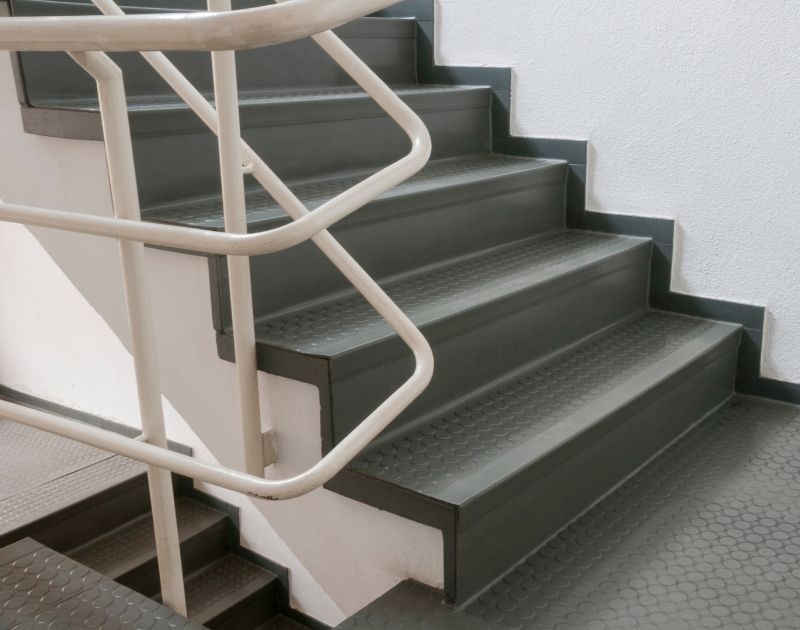
Handrails and Stairwell Surfaces
Stairwells are high-traffic areas, especially during class transitions. Handrails, however, are rarely disinfected with the same frequency as floors.
In many schools:
-
Handrails are cleaned sporadically
-
Rail supports are ignored entirely
-
Wall surfaces near rails are untouched
Because students often grab rails while moving quickly, these surfaces act as efficient germ distributors. Structured Janitorial Services schedule regular disinfection of handrails, particularly during peak usage times.
Cafeteria Touchpoints
Food service areas introduce unique risks due to the combination of touch and eating.
Commonly missed cafeteria surfaces:
-
Table edges and undersides
-
Chair backs and seats
-
Serving line rails
-
Refrigerator and freezer handles
-
Trash can lids
Even when tables are wiped between lunch periods, these secondary surfaces are often ignored. Professional Commercial Cleaning Services understand that food-related spaces require a higher level of detail to maintain hygiene and compliance.
Gym and Locker Room Equipment
Gyms are high-contact environments by design. Sweat, shared equipment, and frequent handling make them prime areas for germ transmission.
Overlooked gym touchpoints include:
-
Equipment adjustment knobs
-
Bleacher railings
-
Locker handles and benches
-
Water fountain buttons
Without a targeted cleaning plan, these areas can undermine even the best general cleaning efforts elsewhere in the school.
Teacher and Staff Areas
Cleaning programs often focus heavily on student spaces, but staff-only areas can be just as problematic.
Examples:
-
Breakroom appliance handles
-
Copy machine touchscreens
-
Staff restroom fixtures
-
Conference room tables and chair arms
Illness among teachers and staff leads directly to classroom disruptions. Consistent Janitorial Services treat staff spaces with the same attention to detail as student areas.
The Problem with Checklist-Only Cleaning
Many schools rely on static cleaning checklists that don’t evolve with usage patterns. These lists often prioritize:
-
Large surfaces over high-touch ones
-
Visual cleanliness over hygienic impact
-
End-of-day cleaning over daytime disinfection
While checklists are useful, they must be paired with real-world observation and data-driven adjustments. This is where professional Commercial Cleaning Services add significant value.
How Assett Commercial Services Addresses Overlooked Areas
Assett Commercial Services approaches school cleaning differently. Instead of relying on generic routines, we focus on risk-based cleaning strategies tailored to how each facility is actually used.
Our approach includes:
-
Identifying true high-touch areas through on-site assessment
-
Prioritizing surfaces based on frequency and risk
-
Using consistent, documented cleaning protocols
-
Training cleaning teams to recognize overlooked touchpoints
-
Providing accountability through structured processes
This ensures that cleaning efforts align with health outcomes, not just appearances.
Benefits of Focusing on High-Touch Areas
When schools address overlooked high-touch surfaces, the impact is measurable.
Key benefits include:
-
Reduced student and staff absenteeism
-
Lower risk of illness outbreaks
-
Improved parent and community confidence
-
Better learning continuity
-
Stronger compliance with health standards
Effective Janitorial Services become a preventative measure, not just a maintenance task.
Building a Smarter School Cleaning Strategy
Schools don’t need to clean everything constantly—but they do need to clean the right things consistently. That requires expertise, structure, and accountability.
A smarter strategy includes:
-
Regular reassessment of high-touch areas
-
Clear cleaning frequencies based on risk
-
Proper disinfectant selection
-
Ongoing staff training
-
Transparent reporting and oversight
This level of detail is difficult to maintain without professional support.
What Schools Miss Matters Most
The biggest cleaning risks in schools aren’t always obvious. They’re found on the surfaces people touch without thinking—handles, rails, buttons, edges, and shared tools. When these areas are overlooked, even clean-looking schools can struggle with preventable illness and disruption.
By partnering with a provider that understands how germs actually spread, schools can move beyond surface-level cleaning and toward true health-focused maintenance.
If your school is ready to strengthen its cleaning program and address the high-touch areas that often go unnoticed, Assett Commercial Services can help. Our professional Commercial Cleaning Services and Janitorial Services are designed to protect students, staff, and learning environments through smarter, more effective cleaning strategies.
Contact Assett Commercial Services today to learn how a high-touch-focused cleaning approach can support a healthier, more reliable school environment.