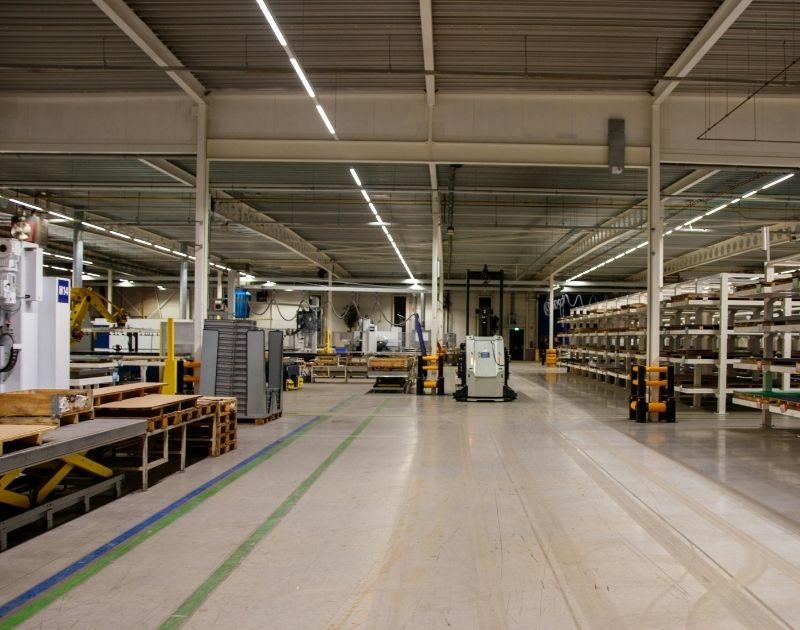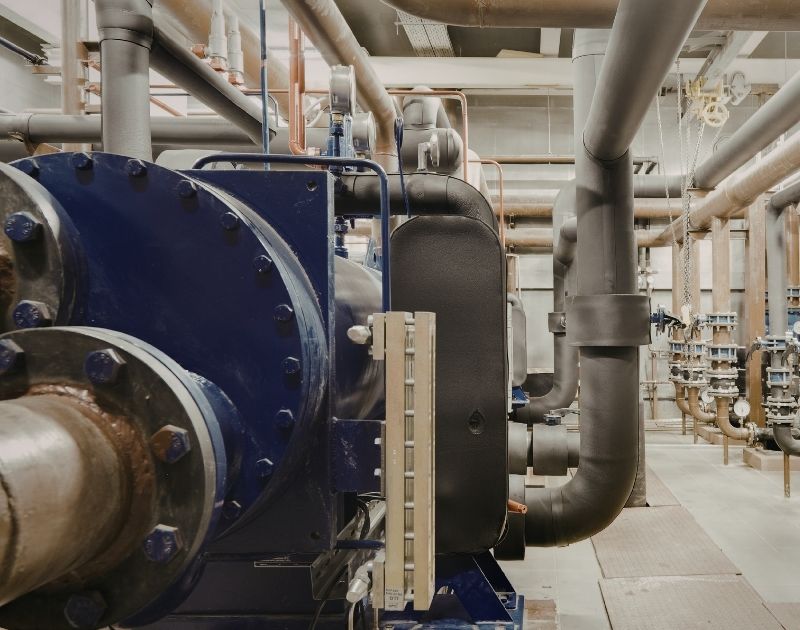
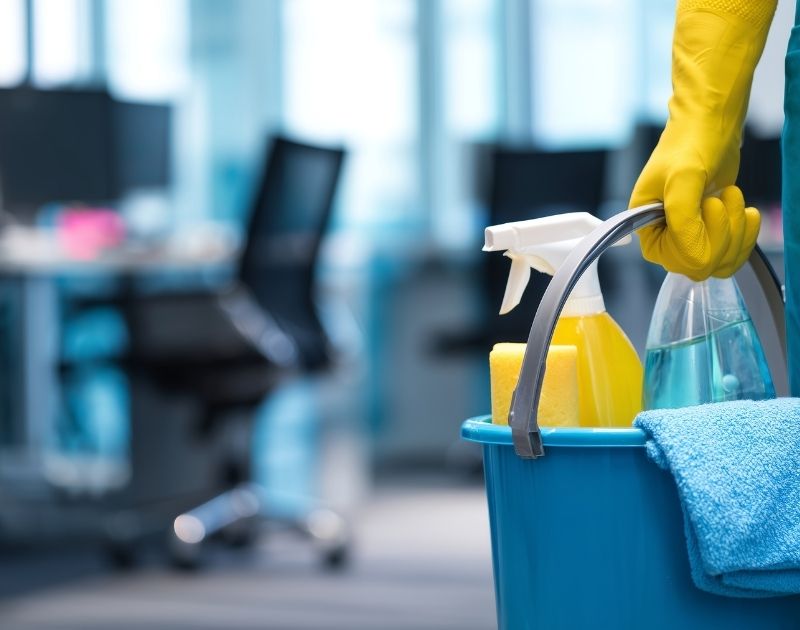
Industrial offices occupy a unique space in the commercial real estate ecosystem. They are not purely administrative environments, and they are not full-scale manufacturing floors either. Instead, they blend office workspaces, warehouse operations, light production areas, break rooms, restrooms, and high-traffic transition zones—all under one roof.
Because of this complexity, traditional cleaning models often fall short. Office-only cleaning plans fail to address industrial contaminants, while warehouse-style janitorial routines overlook the expectations of professional office staff and visiting clients. This is where hybrid cleaning approaches become essential.
At Assett Commercial Services, we specialize in Commercial Cleaning Services and Janitorial Services designed specifically for facilities that operate in both administrative and industrial capacities. In this article, we’ll explore why industrial offices demand a hybrid approach—and how the right cleaning strategy protects productivity, safety, and brand reputation.
What Defines an Industrial Office Environment?
An industrial office is not defined by square footage alone. It is defined by mixed-use functionality. These facilities typically include:
-
Administrative offices and conference rooms
-
Warehouses or distribution areas
-
Light manufacturing or assembly spaces
-
Shipping and receiving docks
-
Break rooms and locker rooms
-
Shared restrooms used by both office staff and floor workers
This combination creates a cleaning challenge that standard office janitorial plans were never designed to solve.
Dust from pallets, cardboard debris, oil residue, forklifts, foot traffic from steel-toe boots, and outdoor contaminants all make their way into office corridors and common areas. Meanwhile, office employees still expect clean desks, sanitized restrooms, spotless glass, and a professional environment suitable for meetings and visitors.
Hybrid environments require hybrid cleaning solutions.
The Limitations of Traditional Office Cleaning in Industrial Settings
Many industrial offices rely on cleaning plans designed for conventional office buildings. These plans typically focus on:
-
Light dusting
-
Trash removal
-
Restroom cleaning
-
Vacuuming carpeted areas
While this approach may work in corporate office parks, it breaks down quickly in industrial environments.
Industrial Contaminants Demand More Than Surface Cleaning
Industrial offices are exposed to:
-
Fine particulate dust from packaging and materials
-
Grease and residue tracked from production areas
-
Increased floor abrasion from carts and machinery
-
Higher restroom usage rates
Standard office cleaning schedules do not account for the frequency, intensity, or material types involved in these facilities. Over time, floors degrade, air quality declines, and sanitation issues become more frequent.
This is where Commercial Cleaning Services must go beyond basic janitorial checklists.
Why Warehouse-Style Janitorial Services Fall Short
On the other end of the spectrum, some companies treat industrial offices like warehouses. While this approach may address floors and debris, it introduces a different set of problems.
Warehouse-focused Janitorial Services often prioritize:
-
Sweeping and scrubbing large floor areas
-
Trash and debris removal
-
Minimal detail cleaning
This approach neglects areas that define professionalism and employee satisfaction—such as offices, meeting rooms, glass surfaces, kitchens, and restrooms.
Visitors, vendors, and leadership teams form impressions based on what they see in the office portion of the facility. A clean warehouse paired with a neglected office sends mixed signals and undermines brand credibility.
Hybrid environments require a balanced strategy, not an extreme.
The Case for Hybrid Cleaning Approaches
A hybrid cleaning approach integrates office-level detail cleaning with industrial-grade sanitation and floor care. It recognizes that different areas within the same facility require different techniques, frequencies, equipment, and chemicals.
Core Components of a Hybrid Cleaning Plan
A successful hybrid plan includes:
-
Zoned cleaning schedules by area type
-
Differentiated equipment and products
-
Increased focus on transition zones
-
Scalable labor allocation
-
Safety-driven cleaning protocols
At Assett Commercial Services, we design hybrid Commercial Cleaning Services that align cleaning intensity with real-world usage—not generic templates.
High-Traffic Transition Zones: The Hidden Risk Area
One of the most overlooked aspects of industrial office cleaning is the transition zone. These are areas where employees move between warehouse floors and office spaces, such as:
-
Hallways
-
Entryways
-
Locker room corridors
-
Break room entrances
These zones accumulate dirt, oil, and debris faster than any other area in the building. Without targeted cleaning, contaminants spread quickly into carpeted offices, restrooms, and common areas.
Hybrid Janitorial Services prioritize these zones with:
-
Increased floor maintenance
-
More frequent spot cleaning
-
Enhanced disinfecting of touchpoints
Ignoring transition zones often leads to higher long-term cleaning costs and accelerated wear on office surfaces.
Floor Care Is Non-Negotiable in Industrial Offices
Flooring in industrial offices varies widely. You may see polished concrete, sealed epoxy, vinyl tile, carpet tiles, or rubber flooring—all within the same facility.
Each surface requires a different maintenance strategy.
Why Hybrid Floor Care Matters
Industrial floors experience:
-
Heavy rolling loads
-
Abrasive debris
-
Chemical exposure
-
Moisture from docks and entry points
Meanwhile, office floors demand appearance consistency and safety. A hybrid approach ensures:
-
Proper machine scrubbing for industrial zones
-
Spot-free, professional finishes in office areas
-
Slip-resistant surfaces throughout the facility
Assett Commercial Services integrates floor-specific cleaning protocols into every industrial office plan, ensuring longevity and safety across all surfaces.
Restrooms and Break Rooms Serve Two Very Different Populations
In industrial offices, restrooms and break rooms are often shared by:
-
Office staff
-
Warehouse workers
-
Supervisors
-
Vendors and drivers
Usage rates are higher, cleaning demands are greater, and expectations vary.
Hybrid Commercial Cleaning Services account for:
-
Increased disinfecting frequency
-
Odor control strategies
-
Touchpoint sanitation
-
Durable supply replenishment
A one-size-fits-all restroom cleaning schedule is not sufficient for mixed-use facilities.
Health, Safety, and Compliance Considerations
Industrial offices often operate under stricter safety guidelines than traditional offices. Dust accumulation, residue buildup, and improper sanitation can contribute to:
-
Respiratory concerns
-
Slip-and-fall hazards
-
Cross-contamination between work zones
Hybrid cleaning programs prioritize preventative cleaning, not reactive responses. This approach helps facilities reduce incidents, support compliance goals, and protect employee well-being.
Assett Commercial Services builds safety-first protocols into our Janitorial Services, ensuring that cleaning supports—not undermines—facility operations.
Productivity Is Directly Tied to Cleanliness
Cleanliness is not just an aesthetic concern. In industrial offices, it directly affects productivity.
When employees work in clean environments:
-
Absenteeism decreases
-
Focus improves
-
Morale increases
-
Equipment lasts longer
Dust-laden offices, dirty floors, and poorly maintained restrooms create friction that impacts performance across departments.
Hybrid Commercial Cleaning Services help facilities maintain consistent standards without disrupting daily operations.
Why Outsourcing Hybrid Cleaning Makes Sense
Managing hybrid cleaning internally often leads to inefficiencies. In-house teams may lack:
-
Specialized equipment
-
Industrial-grade products
-
Training for mixed-use environments
-
Scalable staffing models
Outsourcing to a professional provider like Assett Commercial Services ensures:
-
Customized cleaning plans
-
Predictable service quality
-
Flexible scheduling
-
Accountability and reporting
Our team understands how to balance industrial demands with office expectations—without compromise.
Customization Is the Key to Long-Term Success
No two industrial offices are identical. Cleaning plans must be tailored to:
-
Facility layout
-
Industry type
-
Shift schedules
-
Foot traffic patterns
-
Compliance requirements
At Assett Commercial Services, we do not apply generic templates. We assess how your facility actually operates and design Janitorial Services that scale with your needs.
This customized approach is what allows hybrid cleaning programs to succeed long-term.
The Assett Commercial Services Difference
Assett Commercial Services specializes in Commercial Cleaning Services for complex facilities that require more than basic janitorial work. Our hybrid cleaning approach delivers:
-
Area-specific cleaning protocols
-
Professional office-grade detailing
-
Industrial-strength floor care
-
Consistent quality control
-
Scalable solutions as facilities grow
We understand that industrial offices are dynamic environments—and our cleaning strategies evolve alongside them.
One Facility, Multiple Cleaning Demands
Industrial offices are no longer simple spaces. They are operational hubs that combine administration, logistics, and production under one roof. Treating them like standard offices—or warehouses—creates gaps that lead to higher costs, safety risks, and dissatisfaction.
Hybrid cleaning approaches bridge those gaps.
With the right Commercial Cleaning Services and Janitorial Services, industrial offices can maintain professional appearances, support safety standards, and operate efficiently without disruption.
If your facility combines office spaces with industrial operations, it’s time to rethink your cleaning strategy. Assett Commercial Services delivers customized hybrid cleaning solutions built specifically for industrial office environments.
Contact Assett Commercial Services today to learn how a tailored hybrid cleaning approach can protect your facility, support your team, and elevate your operations.