
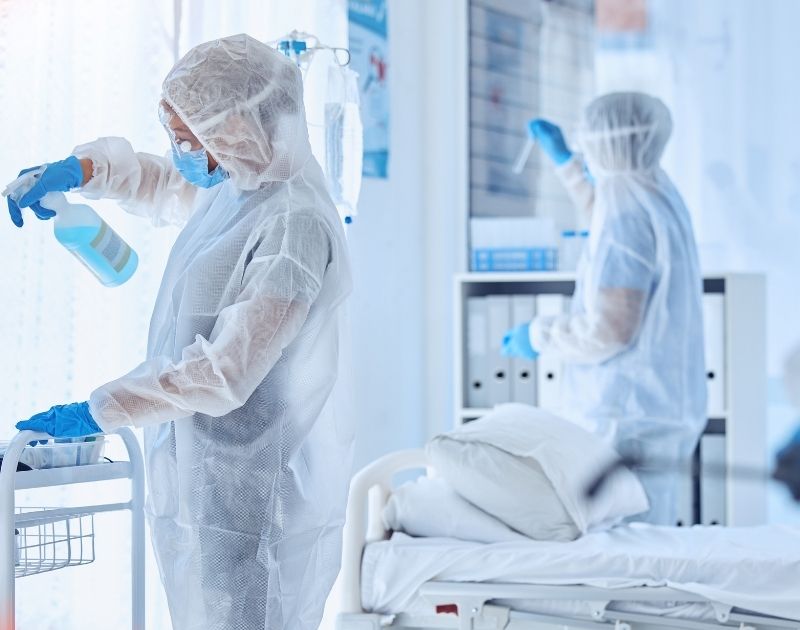
Cross-contamination is one of the biggest dangers in healthcare cleaning. It occurs when harmful pathogens are unintentionally transferred from one surface or area to another – for example, by using the same cloth in multiple rooms or by improper handling of contaminated materials. In a medical setting, such lapses can mean the difference between containing an infection and causing an outbreak. Healthcare-associated infections (HAIs) are a serious concern; on any given day, about 1 in 31 U.S. hospital patients has at least one HAI according to cdc.gov. Germs that cause these infections often spread through unclean hands or reuse of equipment between patients and staff – exactly what effective cleaning practices aim to prevent. This is why preventing cross-contamination during medical cleaning is absolutely critical. In this post, we’ll explore best practices and preventive measures (backed by OSHA, CDC, and EPA guidelines) to avoid cross-contamination. You’ll also see why partnering with a professional like Assett Commercial Services – a U.S.-based expert in Commercial Cleaning Services and Janitorial Services – can ensure the highest standards of cleanliness and safety for your facility.
Understanding Cross-Contamination in Healthcare Cleaning
In simple terms, cross-contamination means spreading germs from one place to another. In a hospital or clinic, this could happen if a cleaning worker uses a mop in an isolation room and then uses the same mop in a hallway, or if they touch a contaminated surface with gloved hands and then touch another surface without changing gloves. The result is that pathogens (bacteria, viruses, fungi) hitch a ride on cleaning tools or hands and end up in areas that were previously clean. For patients with compromised immune systems, this kind of spread can be extremely dangerous. Even staff and visitors are put at increased risk when cross-contamination isn’t controlled.
Why is this such a big deal? In healthcare environments, people are already vulnerable. If cleaning isn’t done with infection control in mind, it can actually contribute to new infections. The Centers for Disease Control and Prevention (CDC) notes that germs causing HAIs can easily spread via improperly cleaned hands or equipment. Every surface or tool that isn’t cleaned correctly could become a reservoir for pathogens. This not only endangers patient health but also a facility’s reputation and bottom line (since infections can lead to costly treatments and even regulatory penalties). In short, medical cleaning isn’t just about appearance – it’s about patient safety. It requires a proactive approach to stop microbes from migrating around the facility.
Fortunately, healthcare organizations don’t have to figure this out alone. Agencies like OSHA, CDC, and EPA provide clear guidelines on how to clean safely and break the chain of infection. In the next sections, we’ll highlight key standards from these organizations and then dive into concrete best practices to prevent cross-contamination.
Following OSHA, CDC, and EPA Guidelines
OSHA Standards: The Occupational Safety and Health Administration (OSHA) focuses on protecting workers – including cleaning staff – from hazards. In healthcare cleaning, the most relevant OSHA rule is the Bloodborne Pathogens Standard (29 CFR 1910.1030). This standard is mandatory for any staff who might encounter blood or infectious materials. It requires proper training on handling blood and bodily fluids, the use of personal protective equipment (PPE), and having an exposure control plan. In practice, that means your cleaning team must know how to safely clean up blood spills, use disinfectants effective against diseases like HIV and Hepatitis, and dispose of sharps or contaminated waste correctly. Following OSHA’s rules not only keeps your staff safe, it also dramatically reduces the chance that pathogens will spread via cleaning processes. OSHA also mandates things like Hazard Communication (so workers know what chemicals they’re using) and PPE standards – all of which tie into preventing cross-contamination by ensuring safe, informed cleaning practices.
CDC Guidelines: The CDC provides extensive guidance on infection prevention in healthcare, which, while not law, are considered best practices in the industry. For example, CDC guidelines emphasize using structured cleaning protocols – such as cleaning from cleaner areas to dirtier ones – to eliminate cross-contamination risks. They recommend regular disinfection of high-touch surfaces (like doorknobs, bed rails, light switches, etc.) and adherence to proper contact times for disinfectants. The CDC’s environmental cleaning recommendations also stress that thorough physical cleaning (scrubbing to remove dirt) is as important as the disinfectant used. Simply put, you need to remove organic material and debris first, otherwise germs can remain protected under grime. The CDC publishes specific infection control guidelines for different settings and situations (e.g., guidelines for environmental infection control in healthcare facilities), all aimed at reducing the spread of pathogens. Hand hygiene is another pillar of CDC guidance – they repeatedly note that consistent hand-washing by staff can prevent the transfer of microbes from one surface or patient to another. We’ll discuss hand hygiene more in the best practices section, but it’s worth noting here because no cleaning protocol is complete without it.
EPA Guidelines: The Environmental Protection Agency (EPA) plays a crucial role by regulating disinfectants. In a medical cleaning context, you should only use EPA-registered hospital-grade disinfectants that have proven efficacy against healthcare-related pathogens. These disinfectants undergo testing to ensure they can kill organisms like Staphylococcus aureus, Pseudomonas aeruginosa, etc., which are standard germs in healthcare settings. The product label (which is regulated by EPA) will tell you what bugs it kills and how to use it properly. It’s critical to follow the label instructions on dilution and contact time – the surface typically needs to stay wet for a specified number of minutes to actually achieve the kill claims. The EPA also provides lists of approved disinfectants for specific emerging pathogens (for instance, List N for SARS-CoV-2/COVID-19), which can be a helpful reference. In short, using the right chemicals in the right way is non-negotiable for preventing cross-contamination. Make sure your cleaning crews aren’t substituting unapproved household cleaners or skipping dilution steps. The EPA’s regulations, combined with CDC’s best practices, give a science-backed blueprint for effective disinfection.
By aligning your cleaning program with OSHA requirements, CDC best practices, and EPA-approved products, you create a strong defense against cross-contamination. This is exactly what professional healthcare cleaners do. Assett Commercial Services, for example, trains its teams to these standards – their staff are well-versed in OSHA, CDC, and EPA guidelines to ensure every cleaning job meets the highest level of safety. This kind of adherence to regulations and best practices builds a culture of cleanliness where cross-contamination is far less likely to occur.
Best Practices to Prevent Cross-Contamination
Putting guidelines into action requires a comprehensive approach. Here are some of the best practices and preventative measures that hospital administrators, facility managers, and cleaning staff should implement to avoid cross-contamination in medical cleaning:
-
Comprehensive Staff Training: Make sure every member of the cleaning crew is trained in infection control protocols and the specific procedures for your facility. They should understand why certain steps are necessary. This includes training on OSHA’s bloodborne pathogens rules (so they know how to handle blood or OPIM safely) and on CDC-recommended cleaning methods. For instance, staff must know the proper order to clean spaces, how to deal with isolation rooms, and what to do if they have an exposure incident. Investing in thorough training (and regular refreshers) creates a knowledgeable team that instinctively follows safe practices. When everyone from supervisors to night janitors understands the “why” and “how” of preventing cross-contamination, mistakes are much less likely.
-
Use Color-Coded Cleaning Tools: One simple yet powerful practice is to adopt a color-coded system for your cleaning equipment. For example, you might designate red cloths and mop heads for restrooms, blue for general patient areas, green for food prep or kitchen areas, and so on. This way, there’s a visual cue to prevent a cloth that wiped a toilet from ever touching an exam table. Many healthcare environmental services teams use color-coded microfiber cloths and mop heads as a standard protocol. The colors create a barrier to cross-use. Assett Commercial Services and other professional cleaners employ this system to ensure tools used in high-risk areas aren’t used elsewhere. To implement this, educate your staff on the color scheme and keep separate carts or storage for each color category. It’s a straightforward step that dramatically cuts down cross-contamination – think of it as “one room, one cloth” unless that cloth has been properly sanitized.
-
Clean from “Clean to Dirty” (and Top to Bottom): Always structure your cleaning routine so you move from the cleanest areas to the dirtiest. In a patient room, for instance, you might start with high surfaces or low-touch areas and end with the restroom floor. This sequencing prevents dragging contaminants from a dirty spot back onto a previously clean surface. Similarly, follow a top-to-bottom approach: dust or wipe higher surfaces before you clean the floor. Gravity dictates that disturbed dust or pathogens might settle downward. By ending with the floor, you capture what falls. The CDC specifically highlights that proper cleaning order is key to avoiding cross-room contamination. A practical example: when terminally cleaning a hospital room after a patient discharge, begin by disinfecting something like the bedside tray table and call button (cleaner items) and save tasks like cleaning the toilet or floor (dirtier areas) for last. And of course, once you finish that room, don’t go back into a clean area with the same gloves or mop you just used in the bathroom. Consistency in this clean-to-dirty flow is what keeps pathogens from leapfrogging from dirty zones to sterile ones.
-
Use Hospital-Grade Disinfectants Properly: In medical settings, regular household cleaners won’t cut it. Use EPA-registered, hospital-grade disinfectants that are proven to kill the kinds of germs found in healthcare. Equally important, use them correctly. This means preparing dilutions accurately (if it’s a concentrate), applying enough product to keep the surface wet for the full recommended contact time, and never “short-cutting” the process by wiping a disinfectant off too soon. For example, if the product says it needs 2 minutes to kill norovirus, let it sit for the full 2 minutes. Also pay attention to the kill claim spectrum – a good hospital disinfectant should cover bacteria (including TB or MRSA), viruses, and fungi. If you’re using wipes, use one wipe per surface or per small area and then discard, rather than using one wipe for an entire room. This avoids simply smearing germs around. The bottom line: effective disinfection is both a science and a discipline. By using the right chemicals in the right way, you truly eliminate pathogens instead of just pushing them into the next room.
-
Change and Disinfect Cleaning Equipment Frequently: A notorious source of cross-contamination is dirty cleaning tools themselves. Think of a mop head or cleaning cloth – if it picks up bacteria in Room A and you carry it dripping into Room B, you’ve just delivered those bacteria to a new location. To prevent this, use fresh cleaning materials for each area whenever possible. For instance, after mopping a patient room, remove the mop head and replace it with a clean one before moving on. If using a bucket and mop system, adopt a two-bucket method (one for cleaning solution, one for rinse water) or – even better – a microfiber flat-mop system where each mop pad is laundered after a single use. Similarly, use a clean microfiber cloth for each room or each major area; do not use one rag for the entire floor. Many hospitals now use disposable wipes or disposable mop pads in high-risk areas to ensure nothing is reused. If reusable items are employed, have a robust laundering process (hot water, appropriate detergents, and EPA-approved laundry disinfectants if needed) so that “cleaning rags” aren’t just spreading germs in the laundry bin. Also, don’t forget to routinely disinfect your cleaning tools themselves – things like mop buckets, spray bottles, vacuum cleaners, etc. These can harbor germs in crevices. All equipment should be cleaned and dried at the end of each shift. By keeping your tools clean, you prevent them from becoming unintended germ carriers.
-
Wear Appropriate PPE at All Times: Personal protective equipment isn’t just for clinical staff – cleaning personnel must use PPE as well. Gloves are a minimum for almost all healthcare cleaning tasks, and other gear like masks, eye protection, or gowns should be used depending on the task (for example, when cleaning areas with large amounts of bodily fluids or during an isolation room cleaning). PPE not only protects the cleaner from exposure, it also helps prevent the cleaner from carrying germs on their person. A disposable gown, for instance, can keep bacteria off the cleaner’s clothing, which is important because those clothes could otherwise brush against a surface and deposit germs. Crucial: Using PPE correctly includes how you take it off. There’s little point in wearing gloves if you then rip them off and accidentally touch the dirty surface of the glove with your bare hand. Train staff to remove PPE in the proper order and manner – for example, gloves should be pulled off inside-out and disposed of immediately, followed by hand hygiene. Never reuse gloves or masks between rooms. If you’re cleaning one room, then heading to the next, all your used PPE should go in the trash before you exit the first room. Fresh PPE goes on for the next area. These habits ensure that anything you contacted in the previous space doesn’t travel with you to the new one.
-
Practice Rigorous Hand Hygiene: We can’t talk about cross-contamination without emphasizing hand hygiene. It’s often said that the simplest solution is the most effective, and that’s certainly true here. Clean hands break the chain of infection. All the gloves in the world won’t help if a worker contaminates their hands while removing them and then neglects to wash up. Cleaning staff (just like healthcare providers) should wash their hands thoroughly with soap and water at key moments: after removing gloves, after cleaning a room or area, after handling trash or soiled laundry, and definitely before they touch clean supplies or move to another task. The CDC recommends hand hygiene in a long list of situations – essentially any time hands might have picked up germs, such as after contacting patient surfaces or bodily fluids. As a manager, make it easy for your team to clean their hands. Provide sinks, soaps, and alcohol-based hand sanitizer throughout the facility. Alcohol sanitizer is great when hands aren’t visibly soiled – staff can quickly sanitize on the go, which helps a lot (imagine a cleaner finishing a room, disposing of gloves, then using sanitizer as they walk to the next room). However, nothing beats a good 20-second hand wash with soap and water, especially when hands are visibly dirty. Encourage a culture where everyone washes up frequently, and consider incorporating hand hygiene compliance into your cleaning audits or checklists. Remember, every time someone cleans their hands, they remove a slew of microbes that might otherwise catch a free ride to the next surface.
-
Disinfect High-Touch Surfaces Multiple Times Daily: Cross-contamination often happens via the surfaces that many people touch throughout the day. Think about objects like door handles, light switches, elevator buttons, faucet handles, nurse call buttons, bed rails, chair arms, and computer keyboards. These “high-touch” surfaces can accumulate germs quickly and then transfer them to the next person who touches them. A cornerstone of preventing spread is to identify these high-touch points and clean them frequently. In many healthcare facilities, high-touch surfaces in patient care areas are disinfected at least once per shift, often more. For example, a busy clinic might wipe down its waiting room door handles and check-in counter multiple times a day. Keep a checklist of high-touch objects for each area so that your staff don’t miss any during routine rounds. Using quick-dry disinfectant wipes can make frequent touch-up cleanings easier between thorough cleans. Consistent attention to high-touch areas significantly cuts down the chance of pathogens transferring from one person to another in your facility.
-
Handle Waste and Laundry Safely: The items being removed from a room (trash, used linens, etc.) can be just as much a vector for cross-contamination as anything else. Implement strict protocols for medical waste disposal and laundry handling. All biohazardous waste (like blood-soaked gauze or other infectious material) should go into properly labeled red bags or containers for regulated medical waste – never in the regular trash. Sharps (needles, lancets) must go in puncture-proof sharps containers to avoid needle-stick injuries. In fact, even if a cleaner finds a stray needle (say, under a bed or in a linens hamper), they should never touch it with bare hands – use tongs or a brush and dustpan to carefully put it in a sharps container. For laundry, use gloves and minimal agitation when picking up used linens. Place used linens in designated bags (often color-coded or clearly marked) – don’t mix clean and dirty linens or leave dirty linens draped on a clean surface. OSHA regulations actually prohibit certain unsafe practices like home-washing contaminated uniforms; linens and uniforms that are potentially contaminated should be washed by commercial laundry services or on-premises laundry with proper disinfection capability. Additionally, ensure that trash bags and linen bags are tightly sealed before leaving the room to prevent leakage. By containing and removing waste and laundry carefully, you stop a major avenue of cross-contamination (imagine dragging a leaking trash bag down a hallway – that’s what we want to avoid at all costs).
By diligently applying these best practices, a healthcare facility can maintain an environment where germs have a much harder time spreading. It might sound like a lot of steps, but in reality, they become second-nature routines for well-trained staff. Think of it as establishing a “safety first” cleaning culture – one where everyone understands that their cleaning tasks directly impact patient health.
The Value of Professional Cleaning Services in Healthcare
Even with clear protocols, maintaining this high level of vigilance can be challenging. Hospitals and clinics are busy places, and it only takes one oversight to cause a problem. This is where partnering with a professional healthcare cleaning service really makes a difference. Specialized commercial cleaning companies bring expertise, consistency, and additional resources that complement your in-house efforts.
Professional cleaners (like those at Assett Commercial Services) undergo rigorous training specifically for medical facilities. They are trained in the latest OSHA, CDC, and EPA guidelines and how to implement them every day. For example, Assett’s healthcare cleaning teams understand the nuances of cleaning in sensitive environments – from isolation rooms to operating theaters – and they follow strict protocols to avoid cross-contamination at each step. This kind of specialized training means you get a cleaning crew that doesn’t just clean superficially, but truly sanitizes and disinfects with infection prevention in mind.
Another advantage of using a professional service is the structured protocols and quality control they bring. Reputable companies will have standardized checklists, supervisor inspections, and documented procedures to ensure nothing is missed. They often use advanced tools as well – like HEPA-filtered vacuums (which trap pathogens instead of blowing them around) and electrostatic sprayers for disinfectants – to achieve a more thorough clean than basic methods. They also stay up-to-date on emerging best practices (for instance, new CDC recommendations or new EPA-approved disinfectants) and can quickly integrate those into their cleaning program. In short, they handle the technical side of cleaning so you can focus on running the facility.
Importantly, professional cleaning services help with compliance. They make sure that your facility is meeting all relevant health and safety standards, which can save you from potential regulatory issues. For example, Assett Commercial Services ensures that all cleaning staff use required PPE and that hazardous waste is handled exactly per OSHA and EPA regulations – giving administrators peace of mind that these critical details are not slipping through the cracks. As a facility manager, you’re effectively getting a partner who takes on the burden of keeping the environment safe and clean, day in and day out.
Lastly, bringing in expert cleaners can improve outcomes like patient satisfaction scores and infection rates. Patients and visitors notice when a facility is sparkling clean. It builds confidence that the hospital cares about their well-being. More tangibly, diligent cleaning by professionals has been shown to help reduce infection incidence (fewer HAIs), which protects patients and staff alike. It also reduces sick days among your own employees because a cleaner environment means fewer germs circulating among the healthcare workers. All of these are long-term benefits of preventing cross-contamination through top-notch cleaning.
Many healthcare organizations recognize these benefits. In fact, it’s often recommended that facilities partner with experienced environmental cleaning providers who have documented procedures to reduce cross-contamination. By doing so, you’re not just hiring “janitors” – you’re investing in patient safety and quality of care. Assett Commercial Services exemplifies this expertise and reliability. They offer tailored cleaning programs for each facility’s unique needs (no two hospitals or clinics are alike in their foot traffic, layout, or risk areas), and they maintain reliable staffing so that every shift is covered by trained professionals. Their commitment to quality and accountability – through detailed checklists and client communication – means you can trust that the job is done right every time. In essence, Assett becomes an extension of your team, one that is 100% focused on maintaining a safe, hygienic environment.
Protect Your Facility with Expert Cleaning
Preventing cross-contamination in medical cleaning is an ongoing effort, but it’s one of the most impactful things you can do to protect patient health. By following the best practices outlined above – from rigorous hand hygiene and PPE use to smart protocols like color-coding and clean-to-dirty sequencing – healthcare facilities can dramatically reduce the spread of infections. The key is consistency and a culture of cleanliness where everyone understands their role. Hospital administrators and managers set the tone by providing training, proper supplies, and perhaps most importantly, by not cutting corners on cleaning. After all, the costs of a sanitation lapse can be far greater than the investment in doing it right.
At the end of the day, high-quality cleaning is a team effort and sometimes the best team is one you bring in from outside. If you’re looking for an expert partner to help keep your facility environment sterile and safe, consider the proven professionals at Assett Commercial Services. The health of your patients, the safety of your staff, and the reputation of your facility all depend on maintaining the highest cleaning standards. Don’t leave those critical outcomes at risk. Contact Assett Commercial Services today to schedule a consultation and discover how our tailored Commercial Cleaning Services and Janitorial Services can protect your facility. With Assett’s expertise and reliability on your side, you can focus on what you do best – providing excellent patient care – while we focus on keeping your environment impeccably clean and compliant. Here’s to a safer, cleaner healthcare facility for everyone!